
By Emma Shin
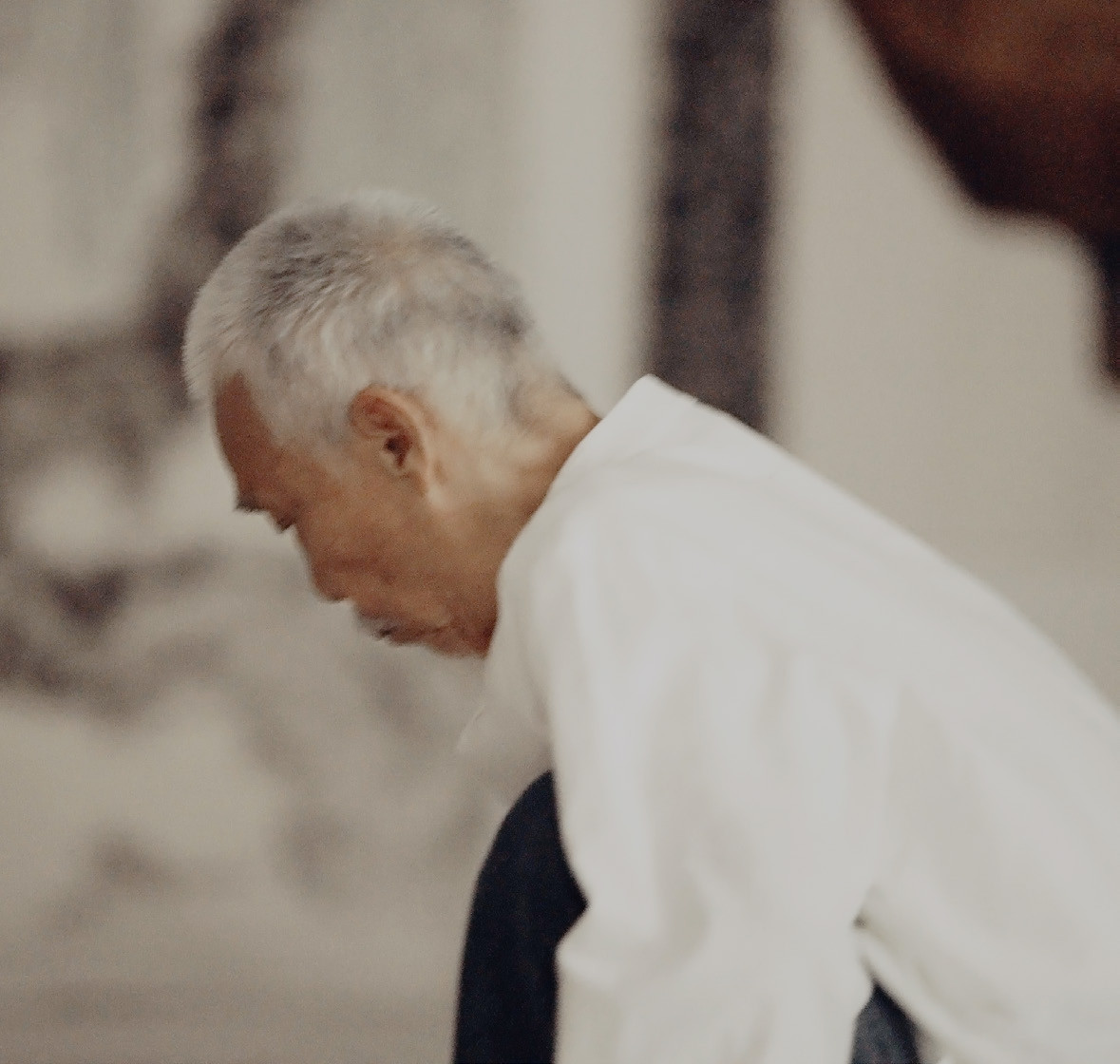
Rooted in the peaceful mountainscape of his hometown in Gyeongju, contemporary Korean artist Park Daesung's studio was a simple space.
The room was furnished with only the essentials for his practice. A shelf stacked with inkstones and brushes stood in one corner of the room, while a single window overlooking the garden of his home served to optimize lighting. Sweeping sheets of paper lined the bare white walls of the room and across the expanse of the floor.
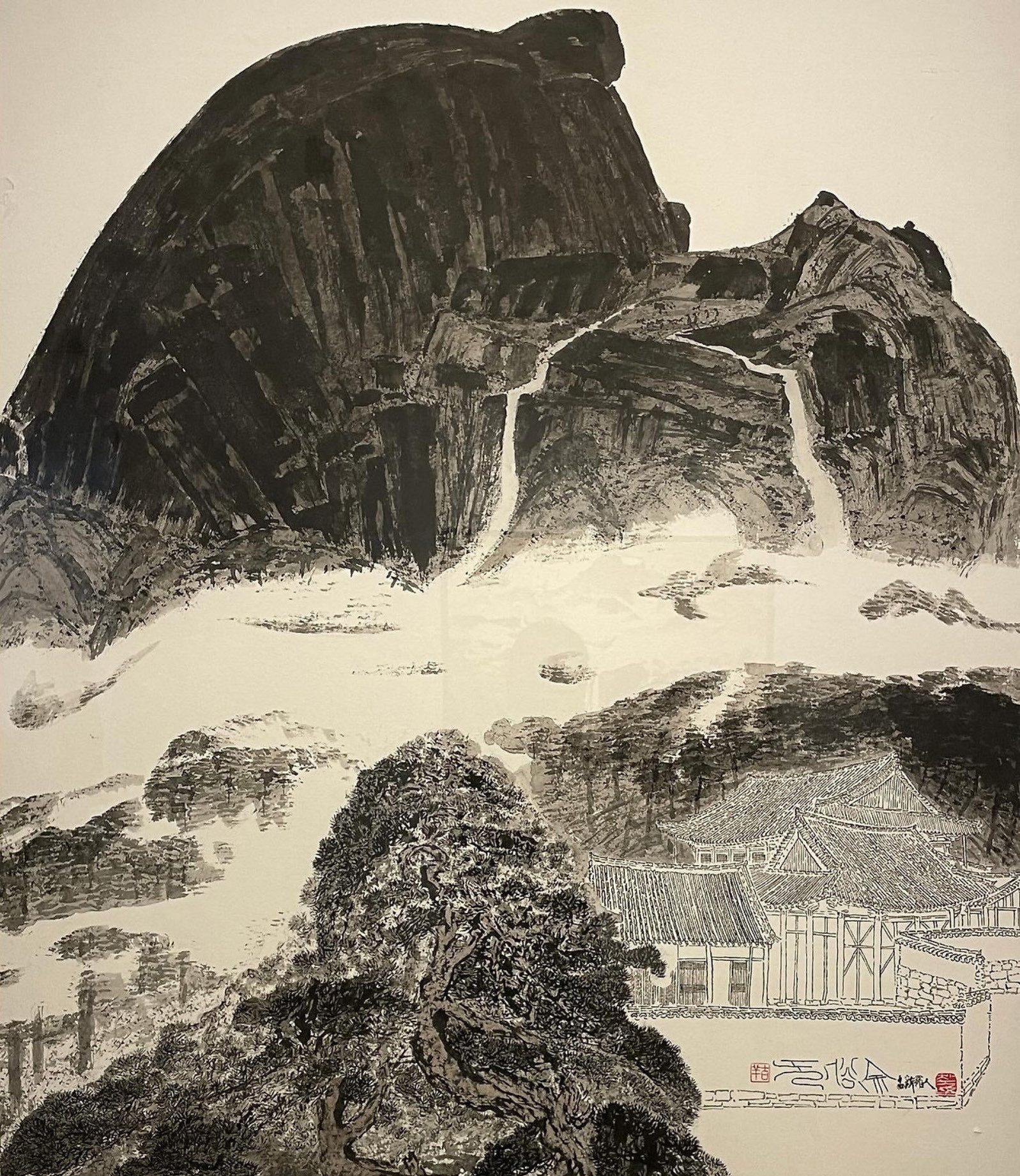
The only thing outstanding about the room was the images that emanated from the sheets of paper. Flowing depictions of porcelain bowls, Buddha's heads, and imposing sea caves left the viewer with an overwhelming sense of awe and gravity. These images, at once forceful and intricate, were sculpted by the intentional brushstrokes of a seasoned master.
At first, the essentiality of Park's studio took me off guard, considering his professional success as an artist. Throughout his career, Park has been widely celebrated both domestically and internationally for his ink-and-wash paintings, particularly his large-scale panoramic landscapes, which seek to preserve elements of the Korean artistic tradition while reinterpreting them in a contemporary context.
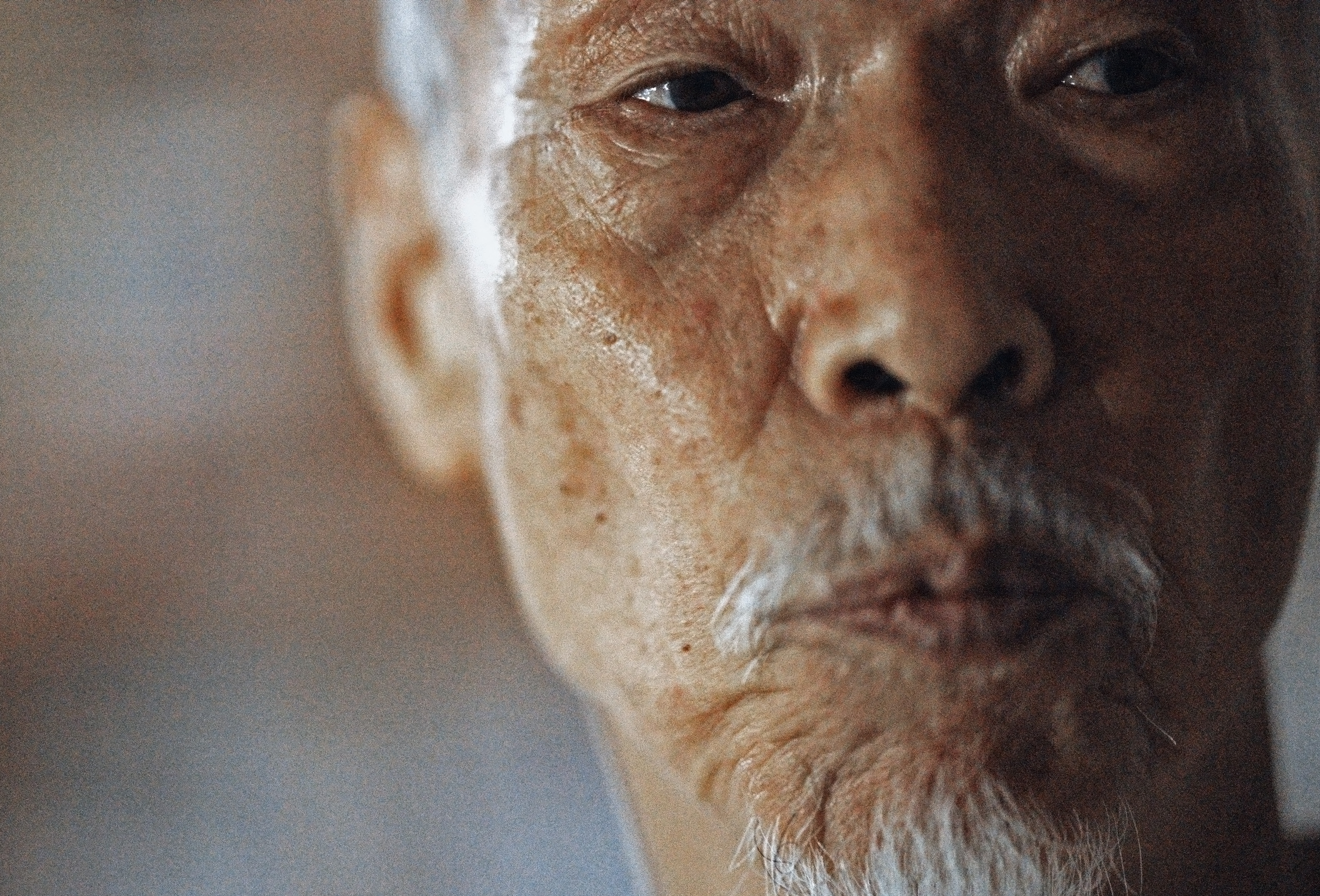
Behind his success is a turbulent personal history, however. Born in 1945, Park lost both of his parents and his left arm in an attack by North Korean sympathizers amid the rising political tensions leading up to the Korean War. Due to his physical disability, he was tormented by his peers and eventually stopped going to school at age 16. In this period of isolation, Park turned to painting as a source of consolation. The self-taught artist learned how to paint by observing and imitating the calligraphy and ink-wash paintings on the traditional folding screens of his home.
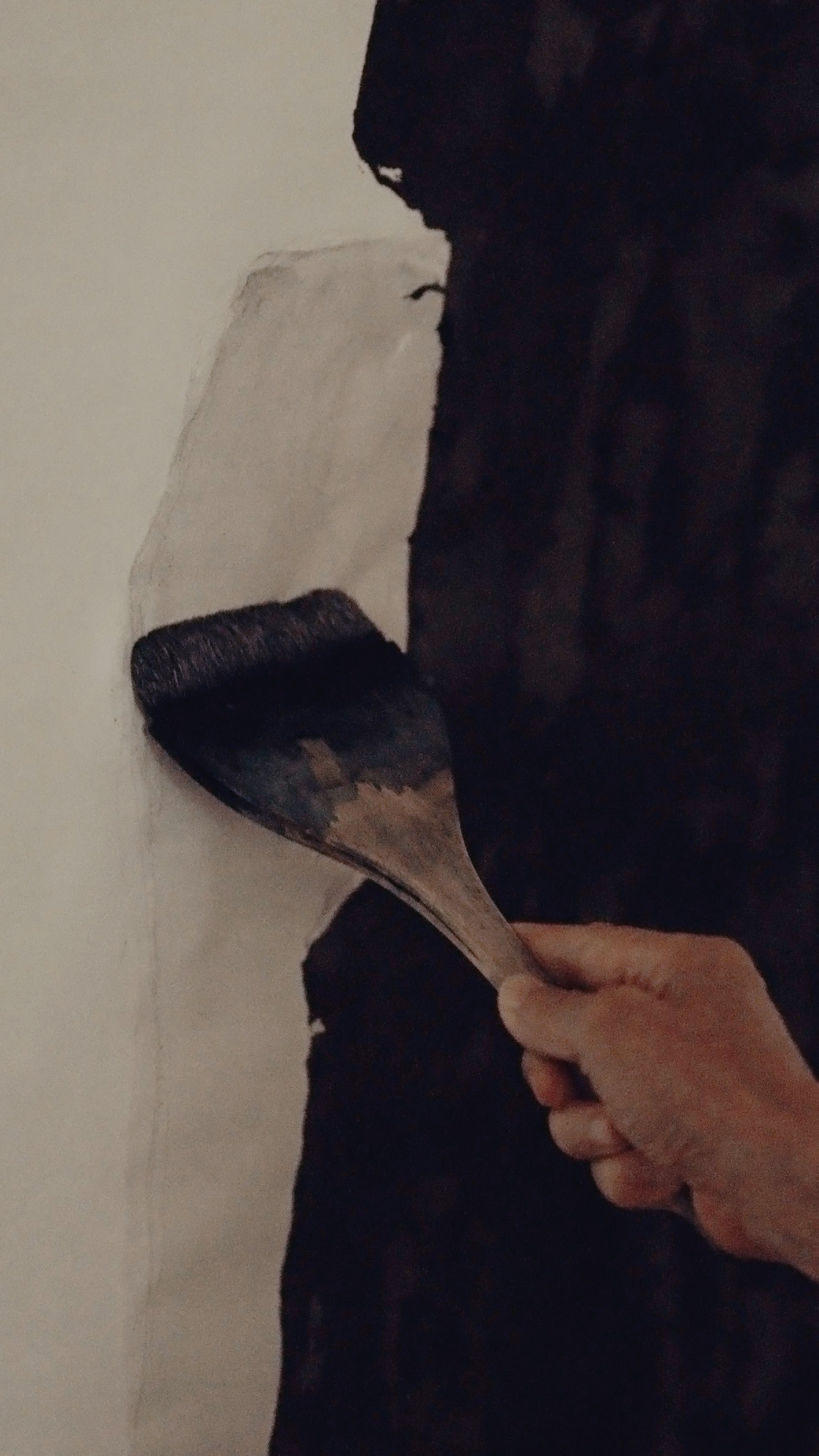
From his early years to the present day, Park has consistently demonstrated a discipline and introspection characteristic of his practice. Inspired by an inscriber's movement of a chisel, Park employs the central brush method, which requires the 79-year-old painter to hold the brush upright and concentrate all of his bodily strength at the tip of the brush to manipulate every movement. Each brushstroke, each plot of negative space seeks to manifest Park's inner affinity with the natural rhythms of the universe.
Park's pen name "Sosan," which literally means "small mountain," accurately represents the quiet strength and steadfast wisdom of one of the great Korean artists of our time.
What does "K-Culture" mean to you?
First of all, our people have a very unique history and cultural heritage. We have faced much aggression and have experienced great adversity to arrive at this point in time, but in a way, this is a fortune. This is possible because of our history and our environment, so we need to become aware of the kind of environment we are living in.
There is a proverb our ancestors used to say: 금수강산 백화만발. In the past, I saw this proverb in a negative light. But I actually went to Baekdusan and saw it. How clear and beautiful our lakes are. I've been all over the world, but I have not seen many lakes you can drink out of right there and then. This goes to show how blessed we are with our natural environment. It is inevitable for modern Korean art to thrive.
Can you tell us about the piece "Korea Fantasy"?
This piece reflects our background, the natural environment, and our unique heart. "Love your enemies": after the many invasions and acts of aggression, we are a people who have not retaliated. We know to always give and be generous with all things. Our attitude of always giving and being generous toward others is a traditional quality. I think this is our people's mentality.
When you are working, what kinds of things do you think about?
Before I start my work, in my heart, I meditate on the landscape and I set up a plan. For example, the piece I am working on today is a painting of the stone wall of Deoksugung Palace. It is a stone wall, but I am painting a scene where it has snowed. At the tips of my fingers, it is already snowing. I just transfer the emotion onto the paper.
As an artist, every emotion is already here: at the tips of my fingers. I imagine it is raining. The wind is blowing. The river is flowing. These emotions need to be carried to the tips of the fingers and flow through this paintbrush. You need to be able to imagine the scene in your chest for the emotion to flow out naturally.
Is there anything you would like to say to the young people today?
The most valuable thing in life is to be diligent and hardworking with everything you do and to be economical. Because we live in such an abundant society today, we need to think of those with less than us. Be sparing with everything. That is like a reflection of our soul and spirit.
It is important to be generous with everything. In order to give, you need to purify and cultivate your heart. Everyone is blessed. I never received a proper education at school. And this arm is not my arm. I barely finished middle school. It's important not to lose that mindset. That is why I was able to become an artist today.


What has been the most valuable thing to you in your life?
In life, people need a philosophy to interact with the material world. Learn to eat a little less and think of people with less than yourself. Be prudent with everything you own. Because we do not live forever, we save our things and bequeath them to the next generation.
Of all the things you have bought in your life, which is most valuable to you?
This brush. This brush is the most precious thing to me. Thousands of years ago in China, when they determined the Four Treasures of the Study, they chose the brush as the number one treasure. They called it 지필묵연 and 문방사우: the ink stick, the brush, the ink stone, and the paper. Today, even in a developed civilization and an abundant society, this doesn't change.

Can you tell us about your use of negative space?
Negative space is one of the most important characteristics of Korean art. Western art believes in beauty without blank space. We are the opposite. The more you leave empty, the better. What we have is spirituality.
To me, negative space is not just when we leave the space blank. It is where the space is so full to the brim that there is no place to leave a mark. You use the space, so that even when it is empty, it feels as though it is full. That reflects the artist's philosophy and skill.
What is your dream for the future?
Everyone has a dream and not everyone can fulfill their dreams. But for me, I just want to lay a single brick for the future of our youth. If our young people grow well, our culture and society will thrive.
Any last words?
Be healthy. It's important to be physically healthy, but also remember to take care of your spiritual and mental health.