
By Isaac Shim
What is the first thing that comes to mind when you think of South Korean fashion? You would most likely think of the clothes famous K-pop stars wear. If you knew a bit more about Korea, you would think of Hanbok, the colorful traditional clothing of Koreans. However, one important aspect of Korean culture has not only gone unnoticed in the world but even has gone under the radar in Korea.
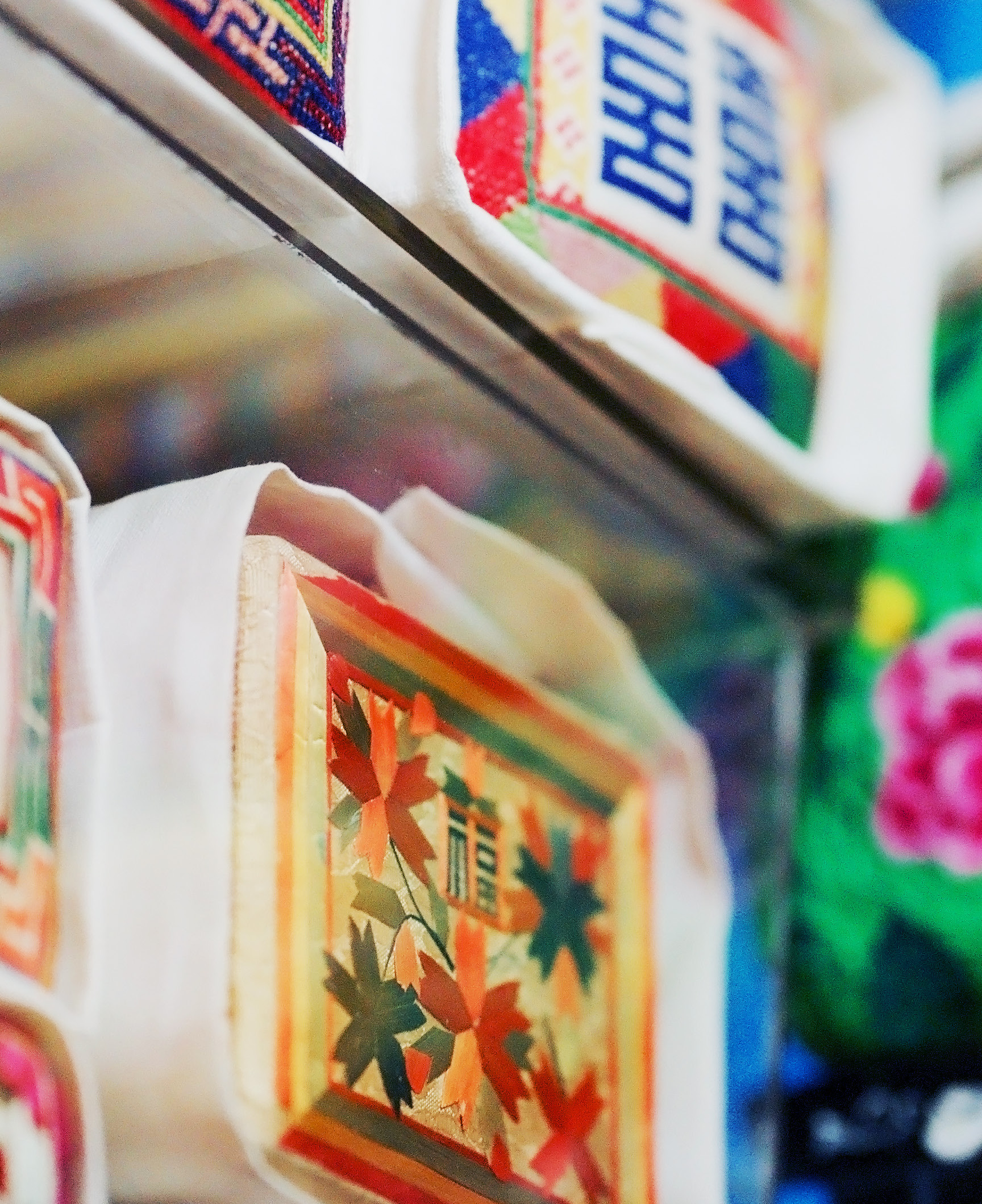
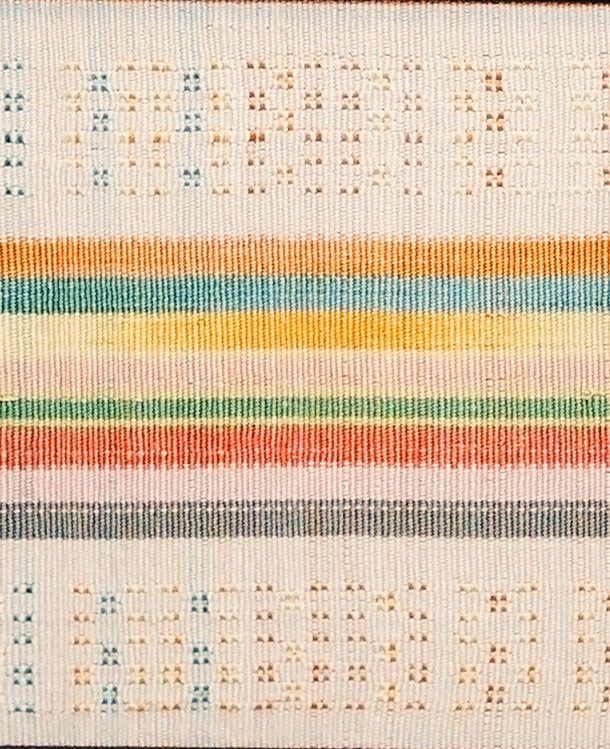
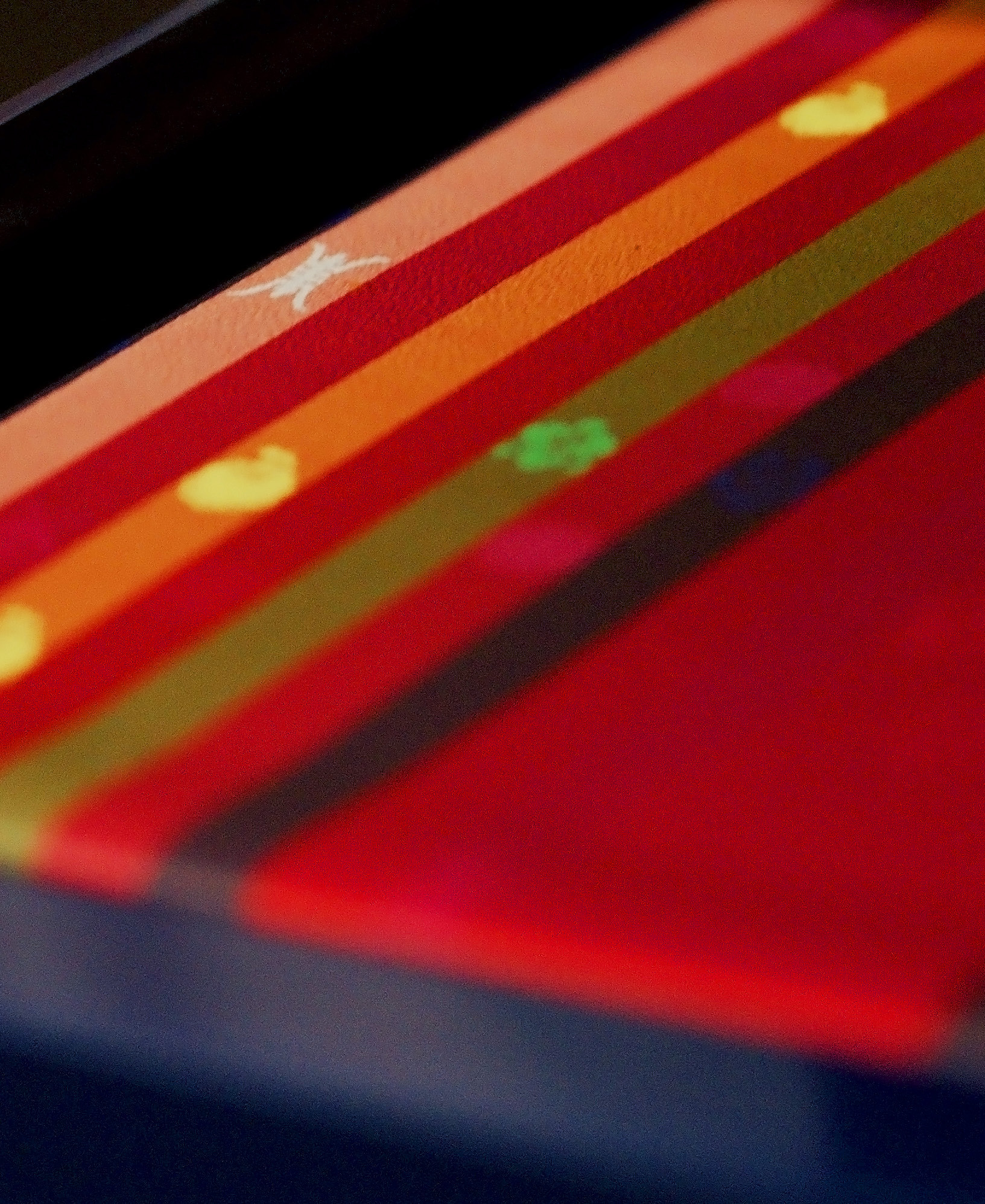
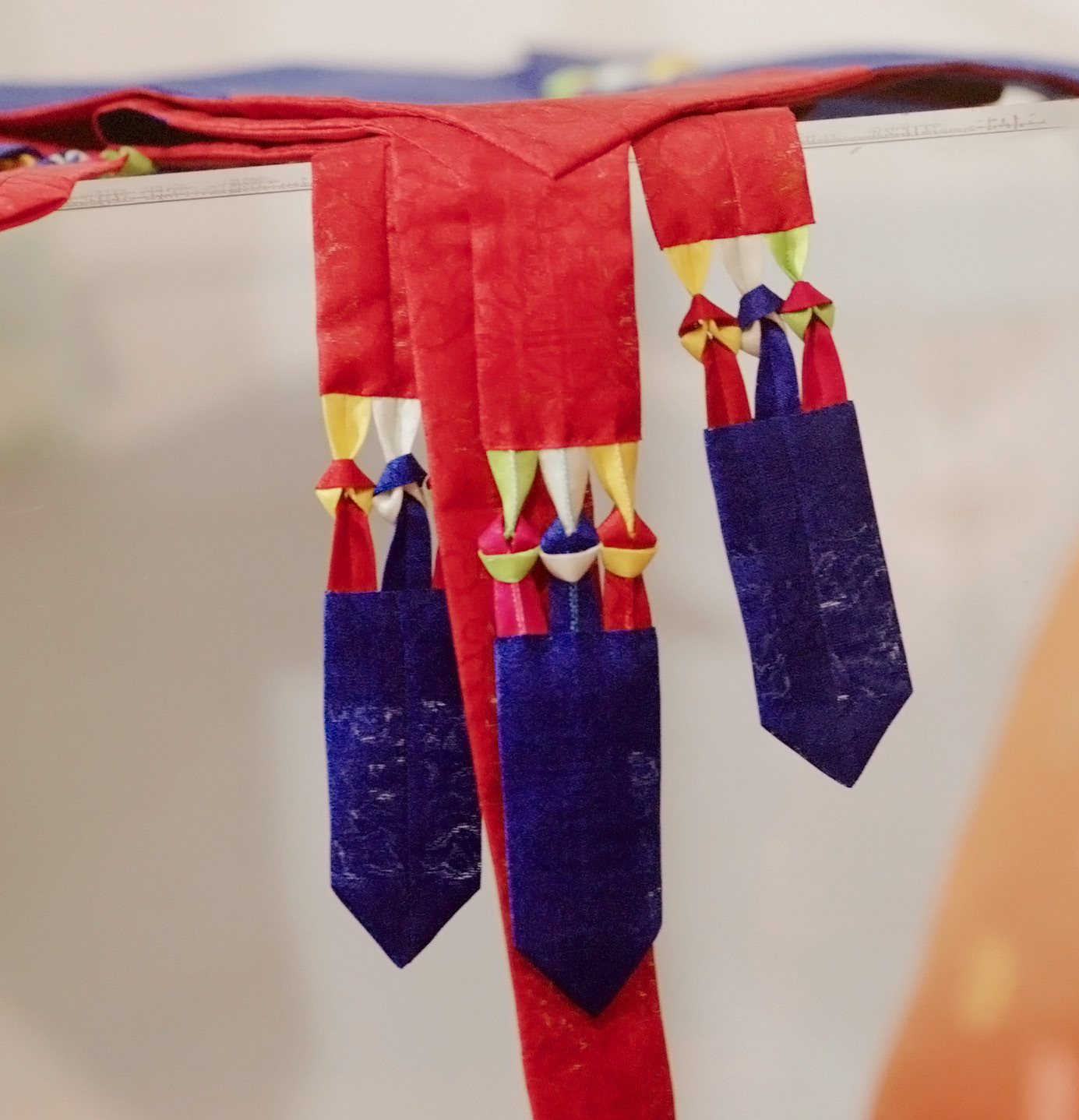
Saekdong is a uniquely Korean word that describes the colorful fabrics and textiles used for Hanbok and other objects, like traditional Korean pouches and wrapping cloth. Used since the Three Kingdoms period around 1,500 years ago, it is an integral part of Korean culture. Saekdong is known as a "fabric with a philosophy," based on the Yin, Yang, and Five Elements Theory. Each cardinal direction is associated with a certain color and element, and Saekdong uses all five colors, as Koreans historically believed this would bring balance. The upper-class people of Korea mainly wore Saekdong, as silk was difficult to find and making color was incredibly exorbitant. It was a clothing luxury for Korean people back in the day.
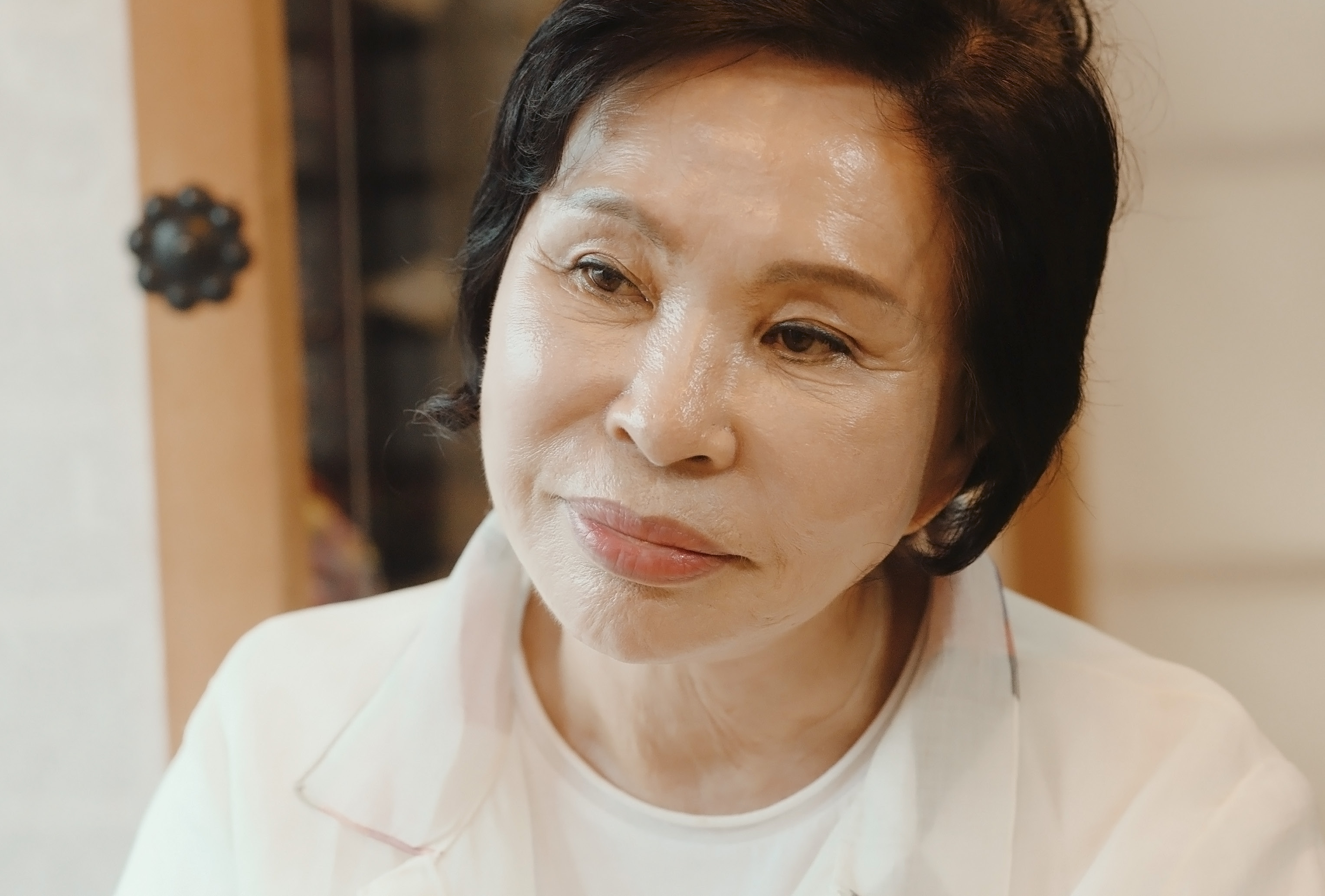
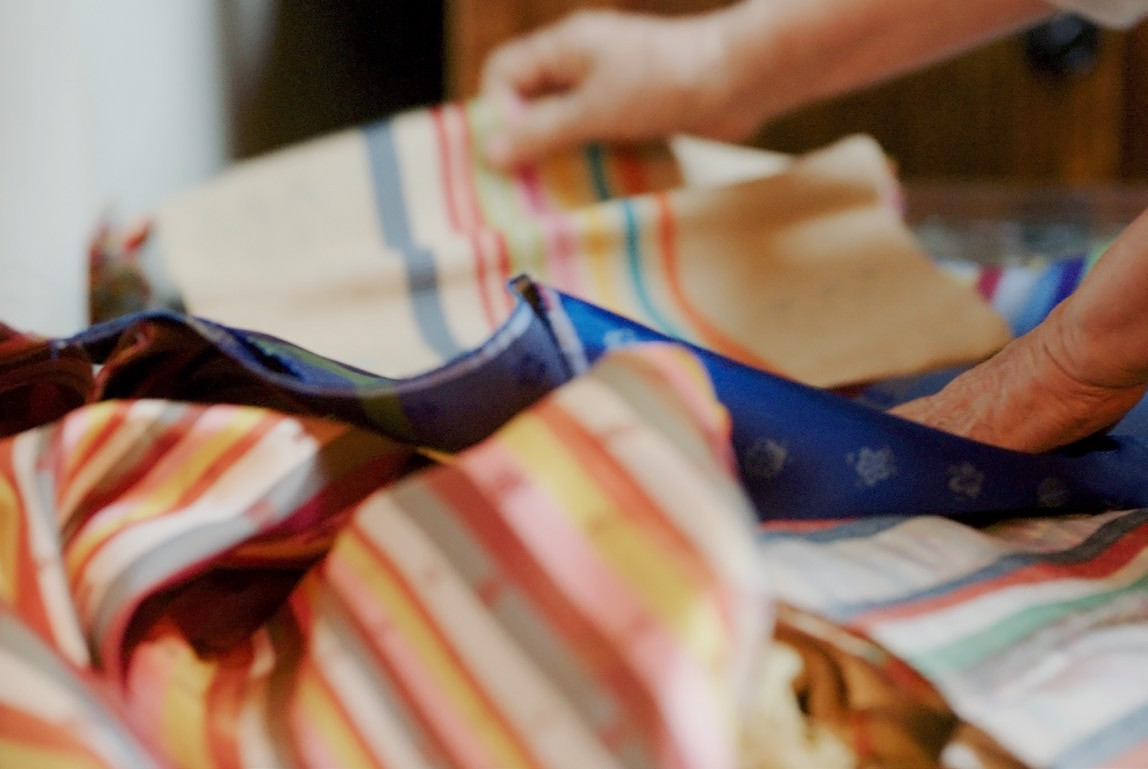
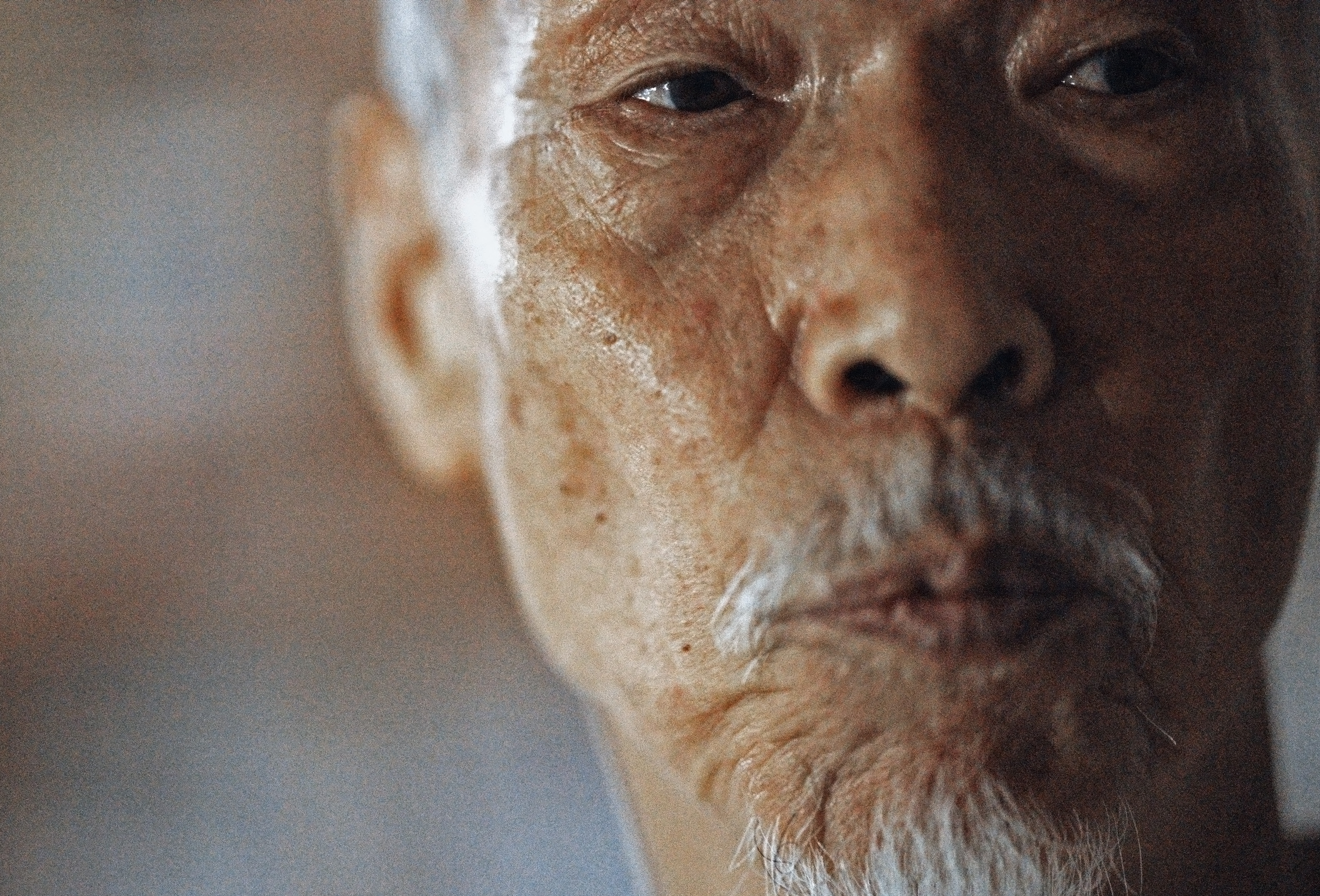
As a Korean-American, I love investigating Korean history and culture. However, Saekdong was an unfamiliar topic. After some research, I interviewed the founder and advisor of the Korea Saekdong Museum, Ms. Ok-Hyun Kim, known as the "Saekdong Expert and Researcher," who has worked with Saekdong for 40 years. As an art professor at Dongduk Women's University, she first encountered Saekdong when making an artwork for a competition, and fell in love with it as she worked more and more with it. She has won several national awards with her Saekdong works and founded the Korea Saekdong Museum, housed in a hanok with signature giwa roof tiles.
Mrs. Kim explained that Saekdong has existed for over 1,500 years, referencing the Deokheung-ri mural from the Three Kingdoms period, which depicts a noblewoman wearing a Saekdong skirt. "Over time, Saekdong transitioned from being used for skirts to being used in jeogori," she said. When children were born, they typically wore simple white clothing, but for their first birthday, families would dress them in colorful Saekdong clothes, wishing for their health and longevity. "People wore Saekdong on joyful and important days."
Saekdong's "charm lies both in the philosophy and in the fact that, although the colors are strong, they are softened by the natural dyes, resulting in a harmonious combination of bright and clear colors. Another attractive aspect is how the stripes form a rhythm, much like music, with repetition and breaks," she said. "In the past, Korean clothing was made using natural dyes, so the colors were slightly muted, creating a luxurious, yet vibrant look."
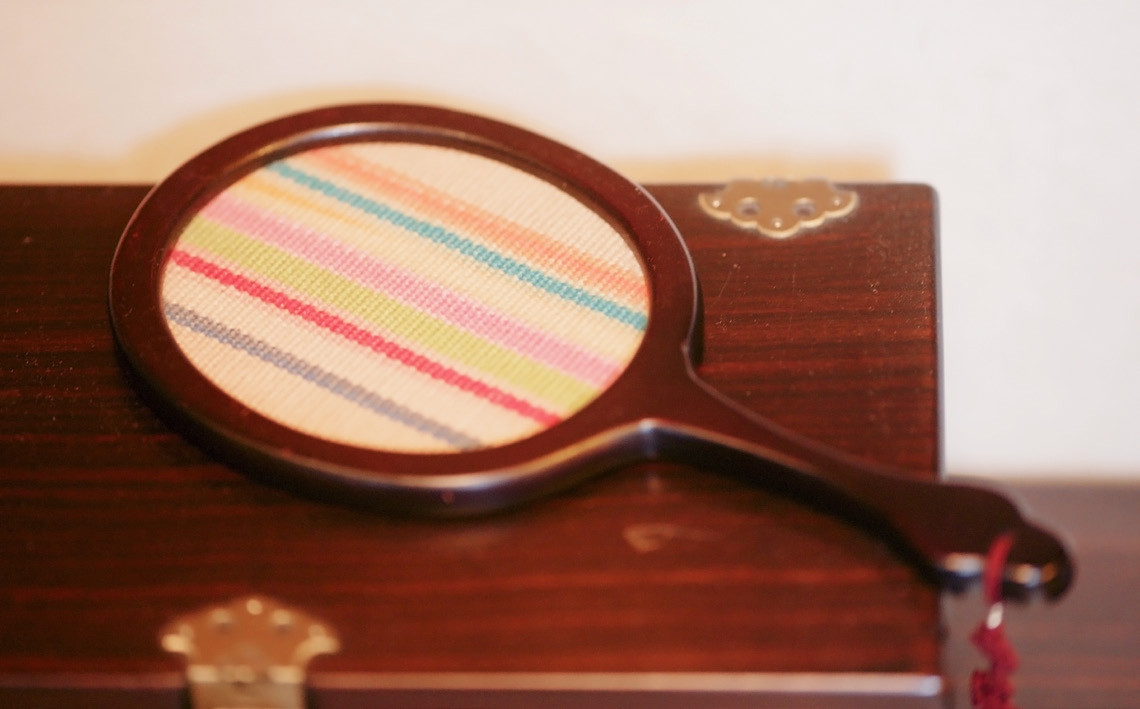

"I retired from Dongduk Women's University in 2013," Mrs. Kim said of the museum's origins, "and I thought about what I should do next. I had a small hanok, and my daughter, who had studied fashion in the U.S., was also giving lectures. I thought it would be nice to create a space where we could work together and hold exhibitions. Many of my friends and fellow artists generously donated pieces when I mentioned my museum plans." Over the past 10 years, she has gathered over 1,000 pieces related to the history of Saekdong.
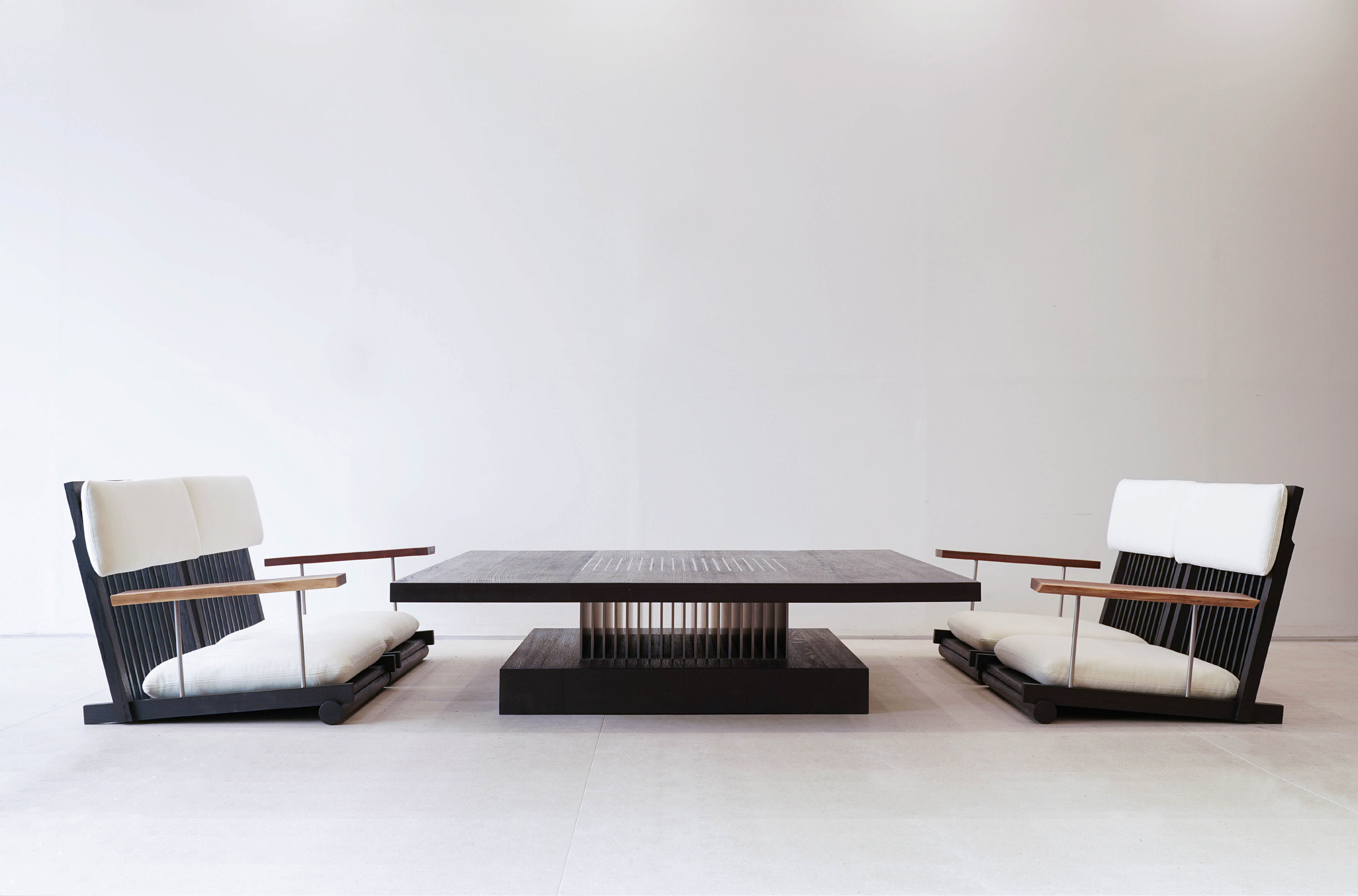
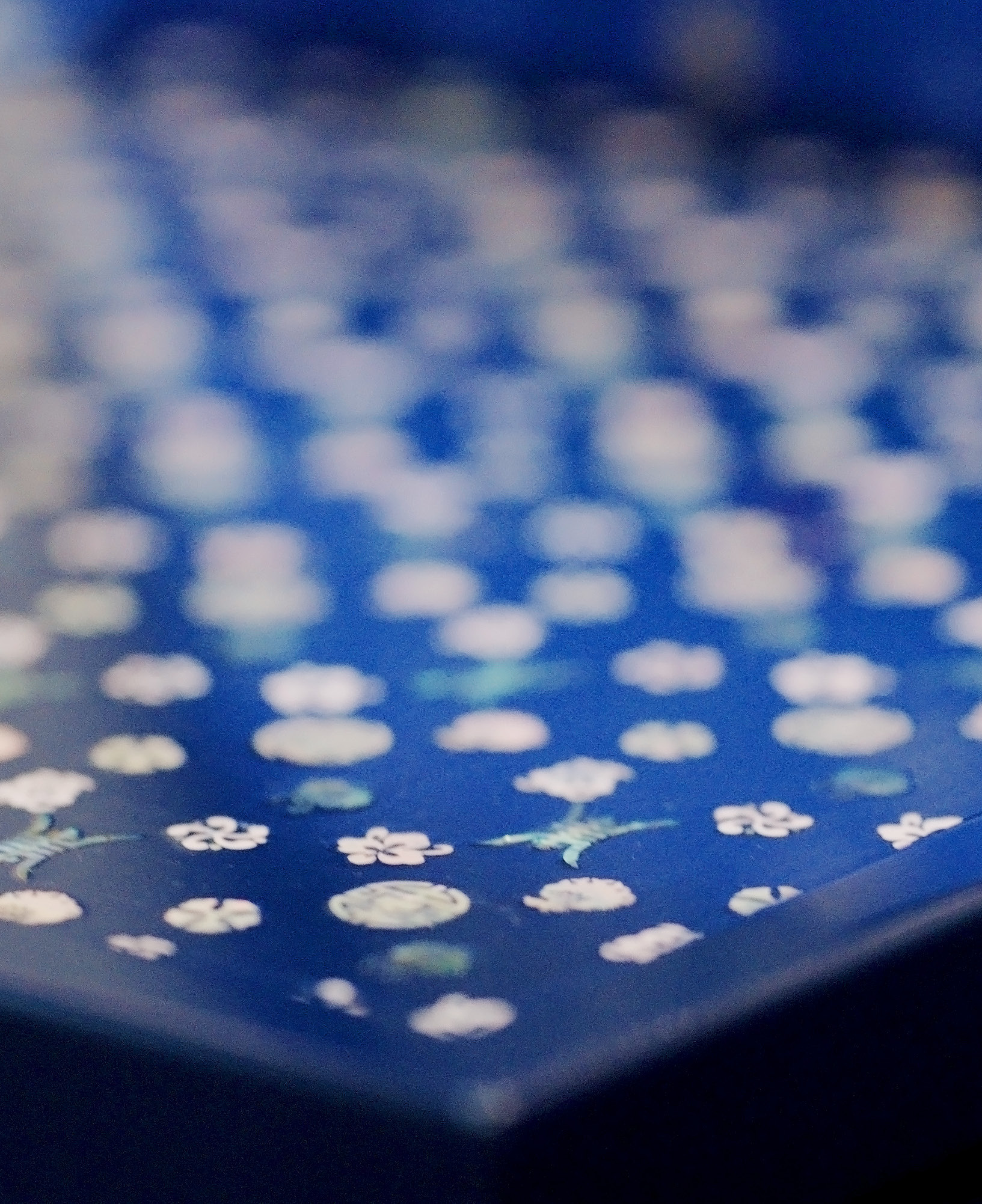
One of Mrs. Kim's most recent works is her Saekdong Chair. "I extracted patterns from Saekdong, like windmill designs, flower motifs, good fortune symbols, and butterfly patterns, to incorporate them into the chair. A craftsman skilled in mother-of-pearl inlay helped me create this. I made patterns, laid them out, and then printed them digitally on polyurethane. By stitching them together, I created the Saekdong chair." She wanted to emphasize Saekdong's similarity to music: a chair people can sit on and enjoy, but also a structure when left on its own. It's truly a modern interpretation of a traditional material.

Mrs. Kim's ultimate goal is for Saekdong to become as internationally recognized as K-pop or K-food. She noted that Gucci and Chanel had incorporated Saekdong into their designs; however, for those designers, Saekdong was only "a colorful, beautiful fabric that they could use temporarily and then discard." The key is variety and frequency of use. "Beyond textiles, Saekdong should be used in various fields, such as graphic design, industrial design, and lacquerware crafts. The more we use it, the longer it will last. Even though it's said that Korea was the originator of lacquerware, Japan is now known for it because they use it more. The same goes for Saekdong. It needs to be used and integrated more into design to truly become part of Korean culture."
I asked her what the word "luxury" meant to her. "I think of luxury as nature. Nature is a gift we all receive. I always view it as remarkable, especially in a country with four distinct seasons. One of my initial surprises regarding luxury was discovering a fabric that encompasses all four seasons. That fabric is Saekdong, which is an icon of Korea and represents our culture. Saekdong is not merely a beautiful arrangement of stripes. It embodies the wisdom of our ancestors who reused cut fabric. I believe the beauty of these patterns exceeds that of any luxury brand in France."
"I'm considering how to continue with the Saekdong museum," she said of the future. "It is truly my family's greatest luxury. Saekdong is a Korean cultural heritage, so if there's a museum in Korea that wants to display it, we can provide it. I believe that Saekdong belongs to everyone in our country." Her greatest wish is to see "Korea becoming a remarkable nation where everyone can wear hanbok when they go out. My current small hope is to see many children wearing hanbok and enjoying a fashion show in the beautiful area between Jongmyo and Changdeokgung."
Her advice to the younger generation: "When you truly love something, it consumes you. I believe in pursuing something you love for 10 years, with persistence. Over those 10 years, you'll develop expertise that others cannot easily surpass. After a decade, you'll become the person whose name is synonymous with that subject."
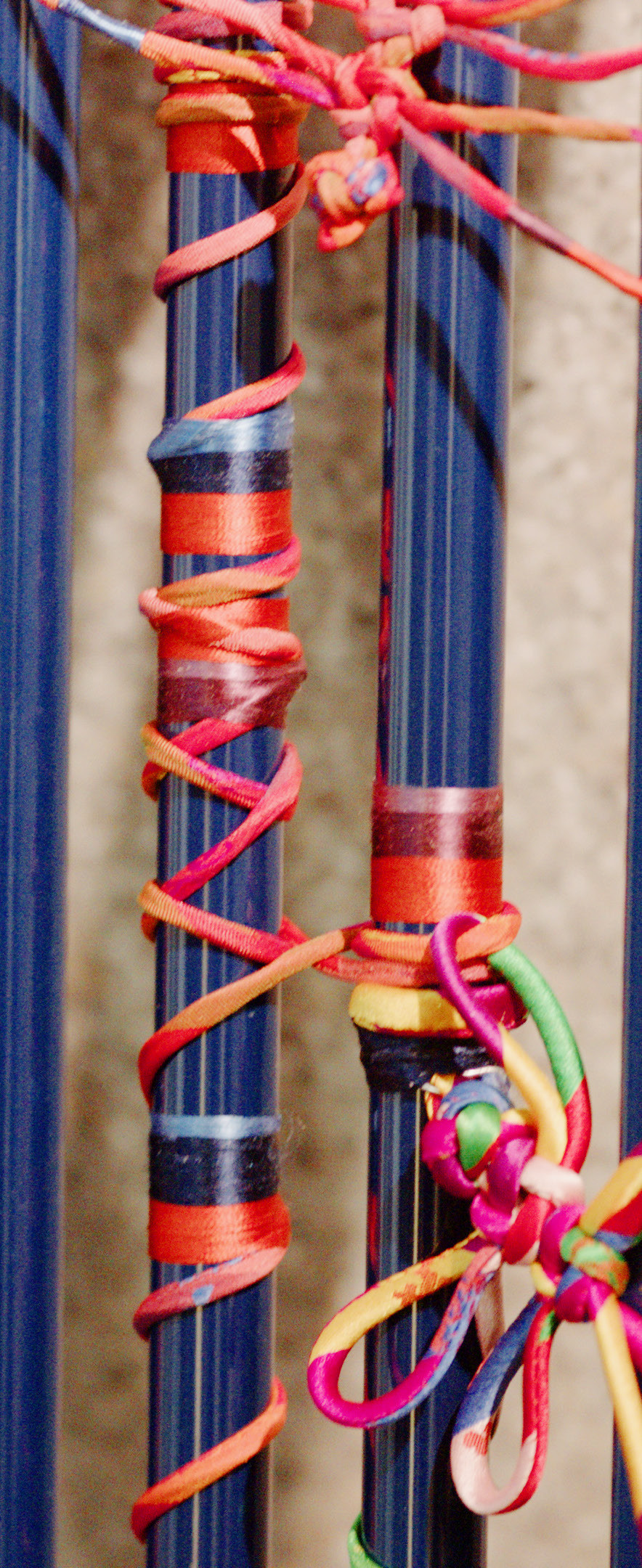

The interview with Mrs. Ok-Hyun Kim made me realize how valuable Saekdong is to Korean culture. As the Prada and Gucci of Korean ancestors, it's important to be proud of Saekdong and spread it to the world, just like how PSY and BTS spread to the world.